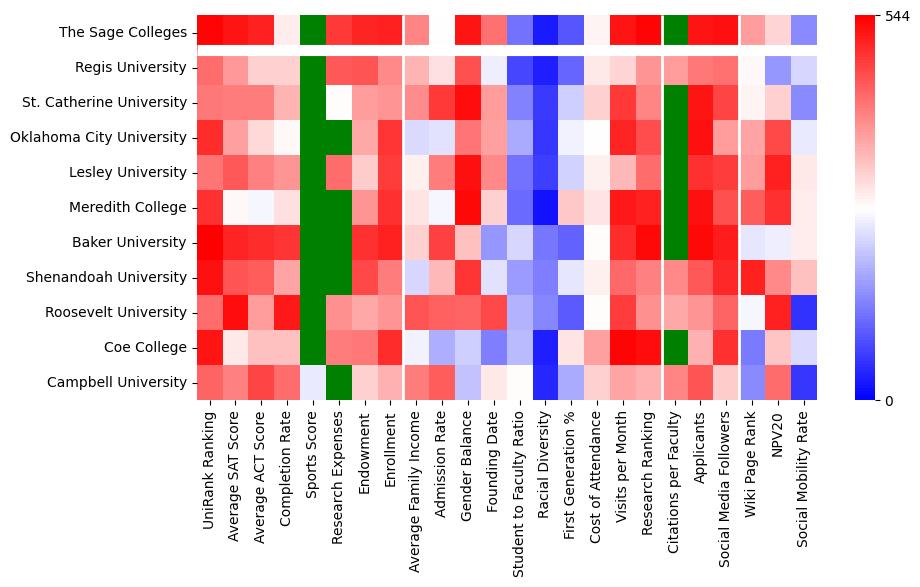
The Sage Colleges, established in 1916 by Margaret Olivia Slocum Sage, began as a women's college in Troy, New York, with a mission to provide robust educational opportunities for women. Over the years, the institution expanded, merging with Russell Sage College, and later incorporating Sage Graduate Schools and Sage College of Albany, becoming a coeducational institution. By 2020, the campuses were unified under the name Russell Sage College, focused on fostering an inclusive and engaging academic environment that honors its legacy while adapting to contemporary educational demands.
What distinguishes The Sage Colleges is their commitment to integrative learning and the promotion of social responsibility. The institution is known for its "Women of Influence" series, which brings leaders to campus to engage with students, and its strong emphasis on experiential learning, encouraging students to partake in internships and community service. The college has cultivated a reputation for empowering students to apply their knowledge practically, ensuring they are well-prepared for their careers.
Academically, The Sage Colleges offer a diverse range of undergraduate and graduate programs, with particular strengths in the health sciences, arts, and education. The nursing program is highly regarded, consistently producing graduates who excel in their fields. Additionally, the occupational therapy and physical therapy programs are well-ranked, reflecting the college's commitment to addressing the evolving needs of today's healthcare landscape. Programs in the arts and creative writing are also notable, supported by faculty who are active professionals in their disciplines.
However, The Sage Colleges face challenges typical of small liberal arts institutions, including limited funding and resources for certain programs, which can affect the breadth of course offerings and extracurricular activities. Additionally, despite efforts to grow its enrollment, the college has struggled with maintaining a competitive edge in attracting a diverse student body compared to larger universities. These factors underscore the necessity for the college to continually adapt and innovate to sustain its educational mission in a competitive academic landscape.